See the journey behind every transaction
Store Intelligence connects customer journeys, product interactions and store activity to reveal what drives sales, loss and performance.
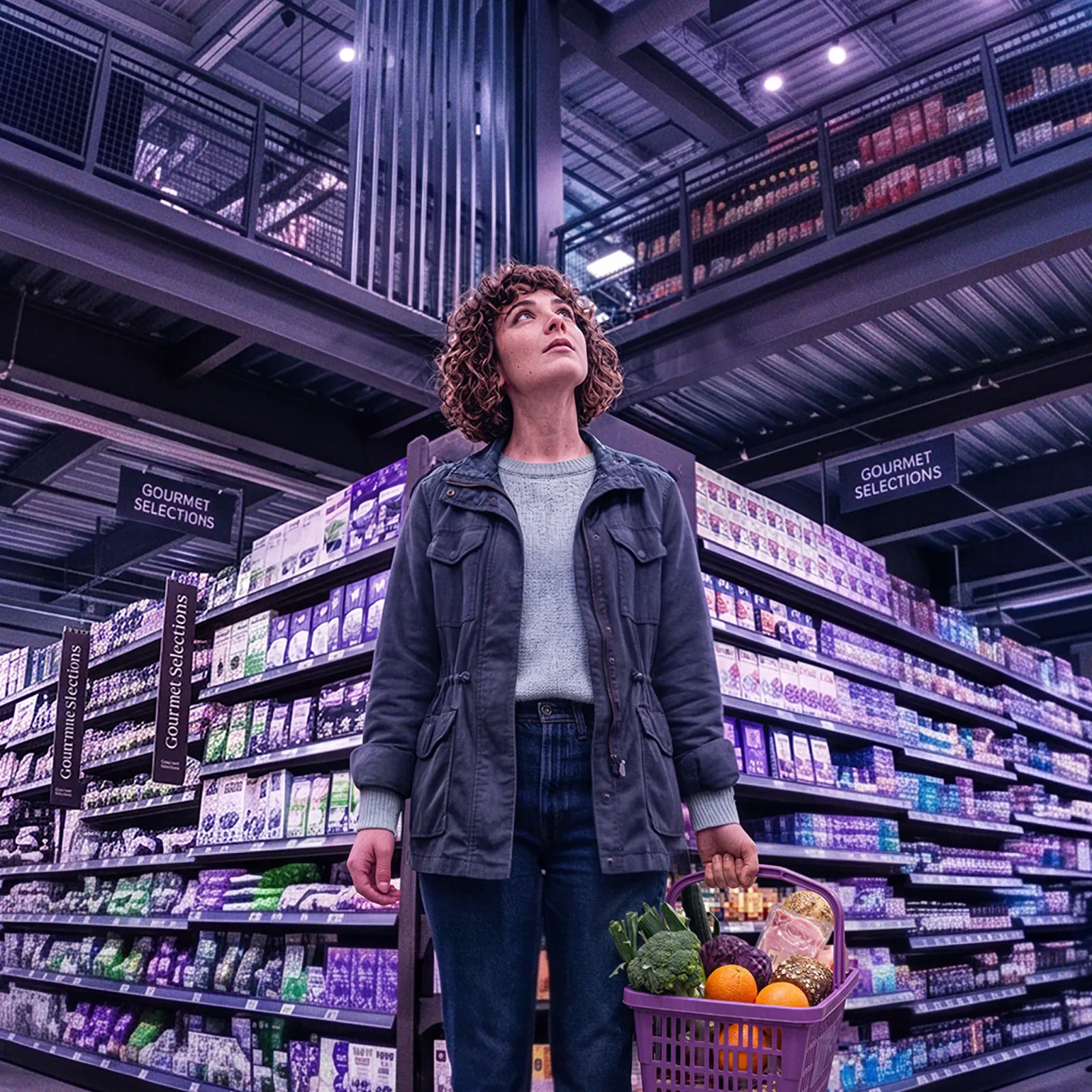
Three layers of intelligence. One connected view
Operational Intelligence
Stay ahead of demand and service pressure.
Track customer flow, queues, waiting times and staff presence throughout the store.
See where demand is building, anticipate service bottlenecks and deploy teams where they're needed.
Inventory and Freshness
Keep products available and reduce waste.
Monitor shelves, displays and fresh-food stations for stock gaps and changing demand.
Alert teams to restock, adjust fresh-food preparation and prevent missed sales and food waste.
Loss Prevention and Safety
Identify risks while there's still time to respond.
Detect potential loss and safety incidents throughout the store, from aisles and product displays to checkout.
Spot behaviors such as concealment and trigger alerts or automated deterrents before losses occur.
Shoppers spend an average of 12 minutes in your store.
Checkout Intelligence sees the final moments of the sale.
What about everything that leads up to it?
Arrives
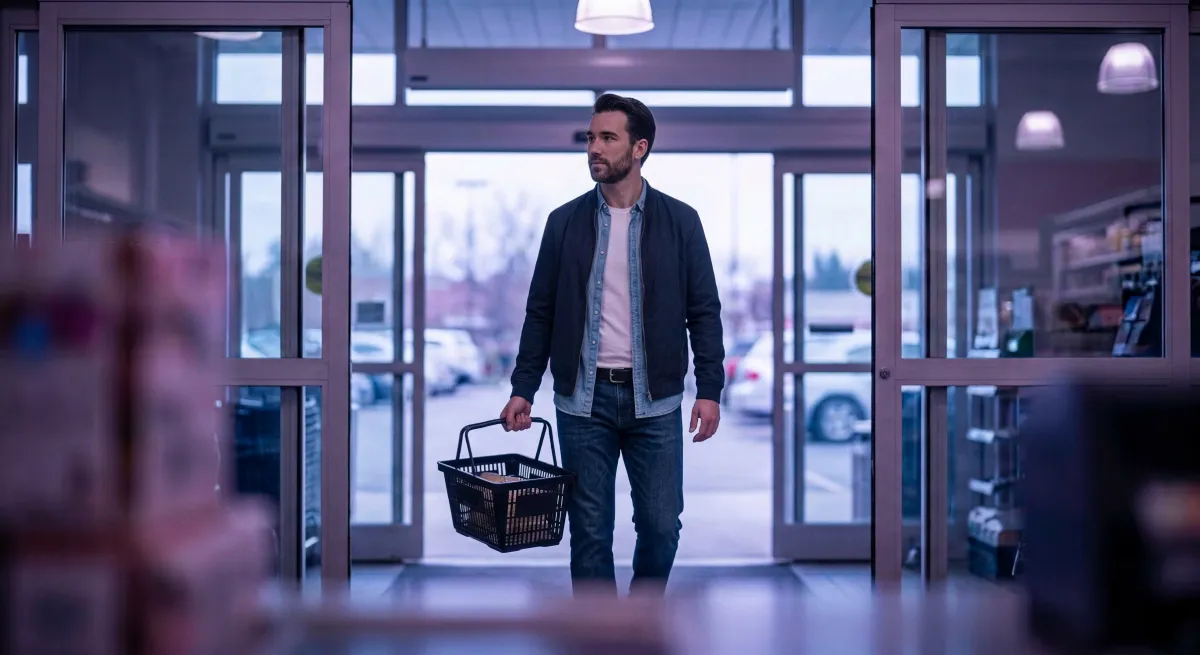
Understand where and how visits begin
Track occupancy, store traffic and conversion from car park to store.
Browses
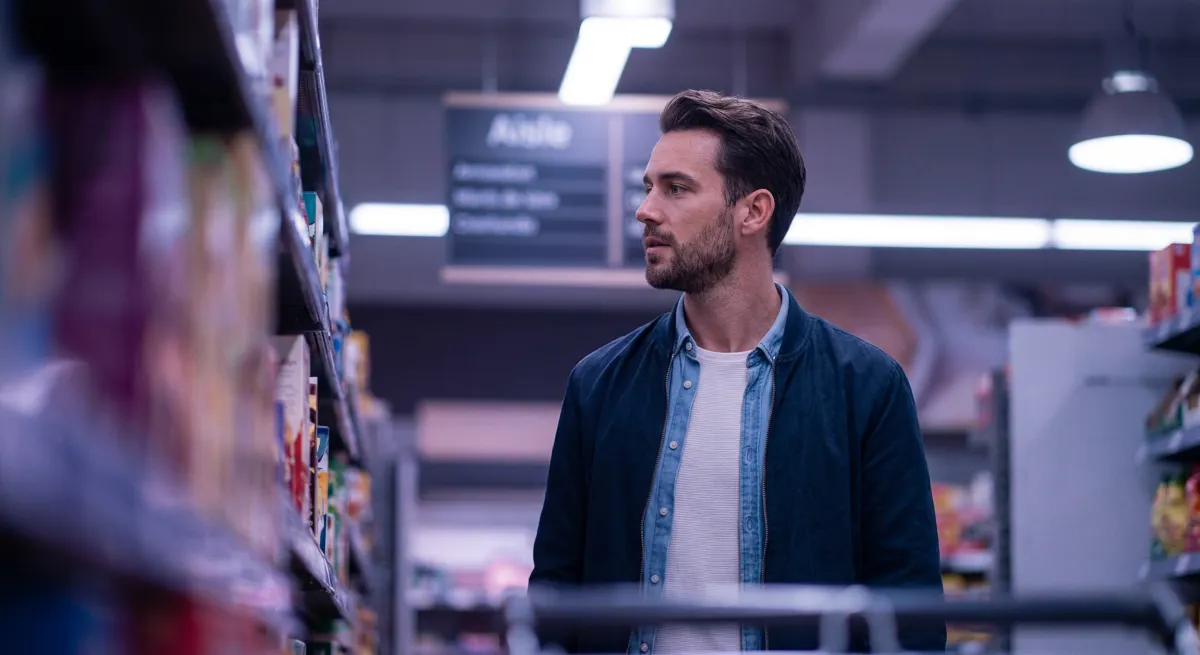
See how shoppers navigate your store
Understand where shoppers move, stop and spend time, revealing traffic patterns and areas of engagement.
Picks up
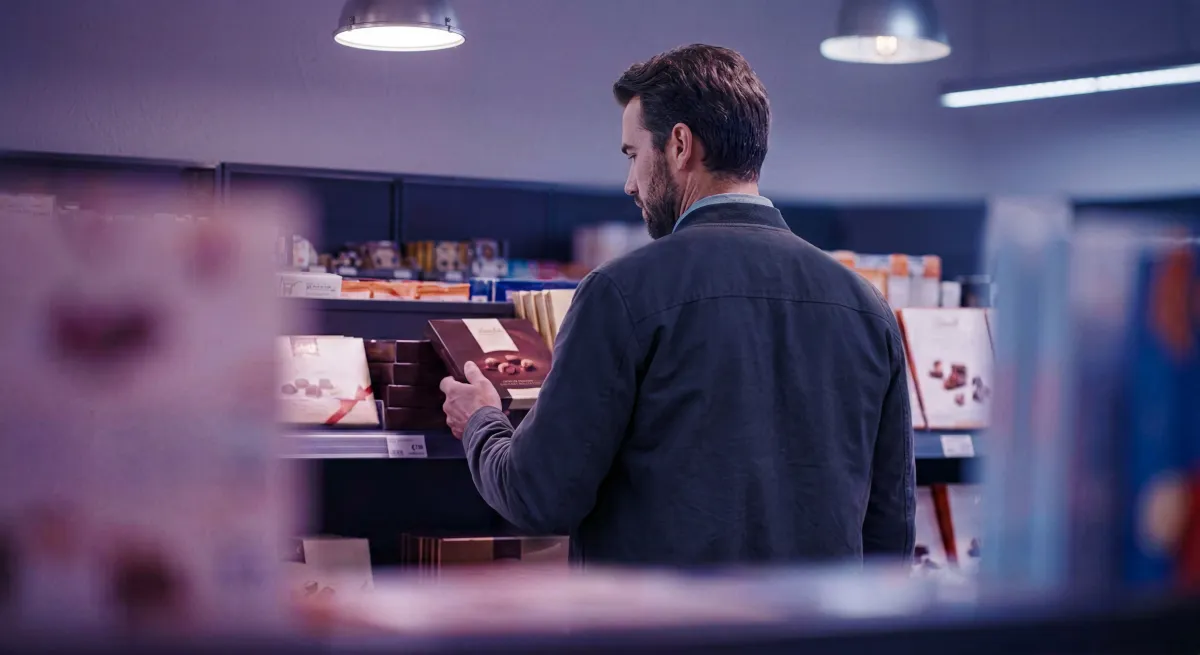
See which products shoppers engage with
Identify the products shoppers pick up, including unbarcoded items, and associate these interactions with their journey.
Queues
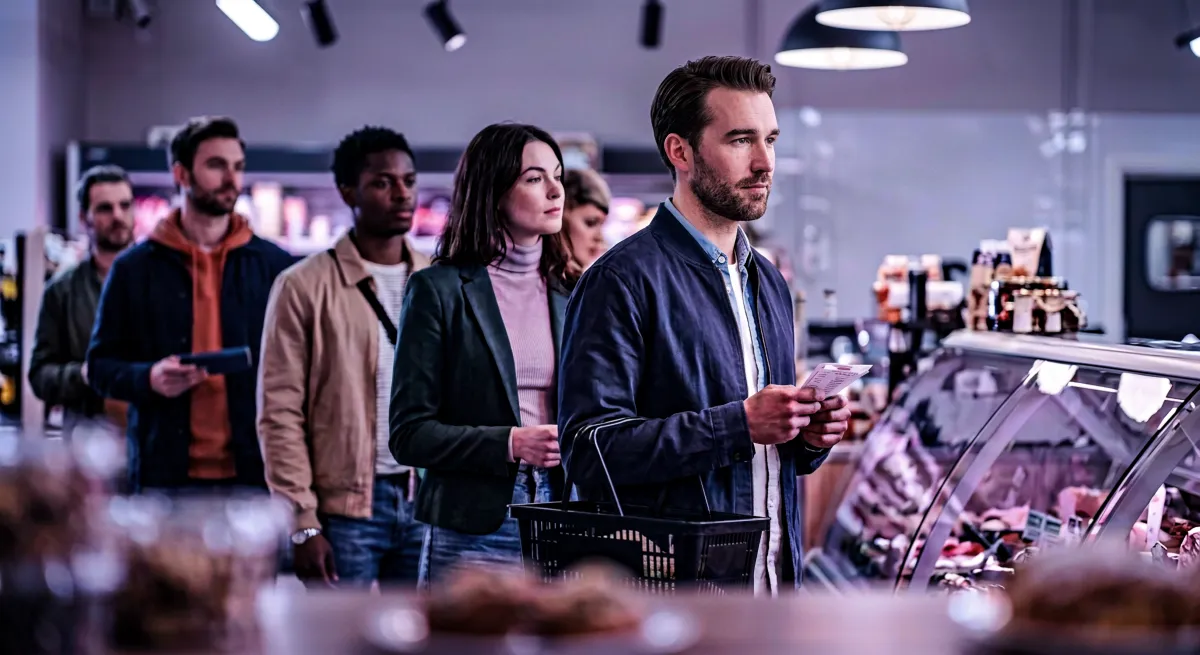
Understand waiting times and walk-aways
Measure actual queue times, identify growing queues and track customers who leave before purchasing.
Checks out
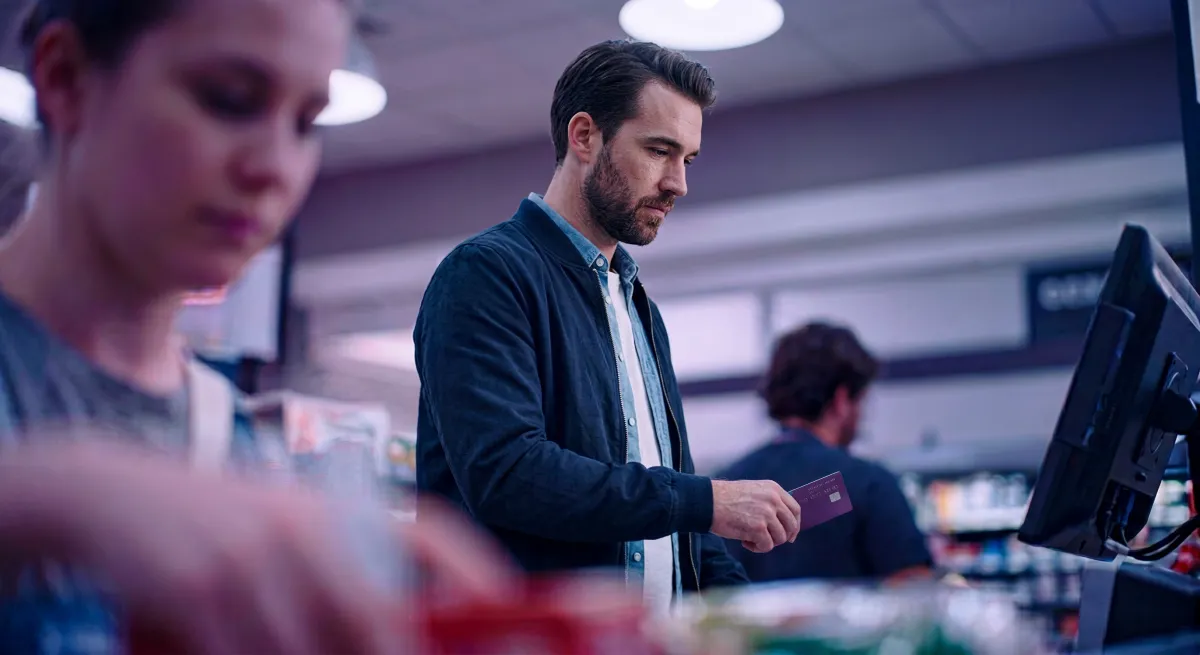
Connect the journey to the transaction
Bring in-store activity together with Checkout Intelligence to understand what happens at the point of sale.
One place to see what needs attention
Manage real-time alerts, track events and monitor daily operations through one central dashboard.
Prioritize issues
See alerts ranked by severity.
Track responses
Acknowledge alerts and review recorded events.
Monitor operations
Keep an eye on traffic, queues and replenishment.
Every journey reveals
an opportunity
Use connected shopper data to understand what drives purchases, where opportunities are missed and how to improve store performance.
Heat maps and traffic flow
Understand where shoppers spend their time.
See where customers move and dwell, revealing high-traffic areas and opportunities to improve product visibility.
Promotional effectiveness
Know which promotions drive purchases.
Connect the offers shoppers see with the products they pick up and buy to measure promotional conversion.
Occupancy and conversion
Understand how visits become sales.
Measure car park-to-store and store-to-basket conversion across different hours, locations and trading periods.
Product placement and store layout
Test what works before rolling it out.
Measure how changes to layouts and product placement affect shopper behavior and conversion, then apply successful approaches across stores.
Four ways Store Intelligence delivers measurable value
Revenue uplift
Capture more sales and increase conversion.
Shrink reduction
Protect merchandise and reduce preventable loss.
Operational efficiency
Reduce waste and improve store execution.
Labor optimization
Make better use of staff time and resources.
See what your stores can tell you
Discover how Store Intelligence can help you improve store performance, protect revenue and make more informed decisions across your operation.
Find out what's slipping through your checkouts
Discover how Checkout Intelligence uses Vision AI to identify, deter and recover self-checkout loss across every checkout environment.
Looking for the bigger picture?
Explore how Data Intelligence connects intelligence across your retail estate to reveal patterns, understand performance and identify opportunities.
Frequently asked questions
Store Intelligence uses Vision AI to analyse activity across the store, including customer movement and dwell, product interactions, shelf availability, fresh-food depletion, queue conditions, wait times, staff presence, potential loss behaviours and safety incidents.
Store Intelligence identifies behaviours associated with potential loss while events are still unfolding. This gives retailers an opportunity to deter loss, alert store teams and protect merchandise before it becomes shrink.
When potential loss is identified, Store Intelligence can trigger an automated in-aisle audio message. This immediate deterrent can interrupt the behaviour without requiring a colleague to approach the shopper.
Traditional CCTV records activity for observation or later review. Store Intelligence uses Vision AI to turn existing camera feeds into actionable information, connecting shopper journeys, identifying events in real time and helping retailers make more informed operational and commercial decisions.
Store Intelligence measures queue lengths and actual waiting times, identifying when service thresholds are reached. Earlier alerts help managers respond before delays lead to abandoned baskets or lost sales.
By providing visibility into changing customer traffic, service demand and staff presence, Store Intelligence helps managers deploy colleagues where they're needed most and maintain more consistent service levels.
No. Store Intelligence can be deployed around the shelves, aisles, product categories and operational areas where greater visibility can have the most value, rather than requiring blanket monitoring across every part of the store.
Store Intelligence follows the shopper journey before the transaction, while Checkout Intelligence identifies critical moments at the point of sale. Together, they connect in-store activity with checkout events to provide a more complete understanding of the journey and opportunities to reduce loss.
Retailers can measure performance across revenue uplift, shrink reduction, operational efficiency and labour optimisation, using metrics such as conversion, product availability, queue times, replenishment, waste and loss-related events. Data Intelligence provides a wider view of performance across stores and over time, helping retailers identify trends and evaluate improvements.
Store Intelligence assigns each shopper a unique, anonymous identifier for their visit, connecting activity across camera views into a continuous journey. No app or customer sign-up is required, and no personally identifiable information is used.
By connecting customer movement, product interactions and purchasing behaviour, Store Intelligence helps retailers identify missed sales opportunities, improve product availability and make better decisions about promotions, merchandising and store layout.
Yes. Store Intelligence is designed to work with existing camera networks, turning video feeds into information about shopper journeys, product interactions, store operations and potential loss.
Yes. Retailers can start with a specific operational challenge, such as stock availability, queue management or loss prevention, and expand into additional areas and use cases as their needs evolve. This allows them to focus on priority opportunities and demonstrate value before scaling.