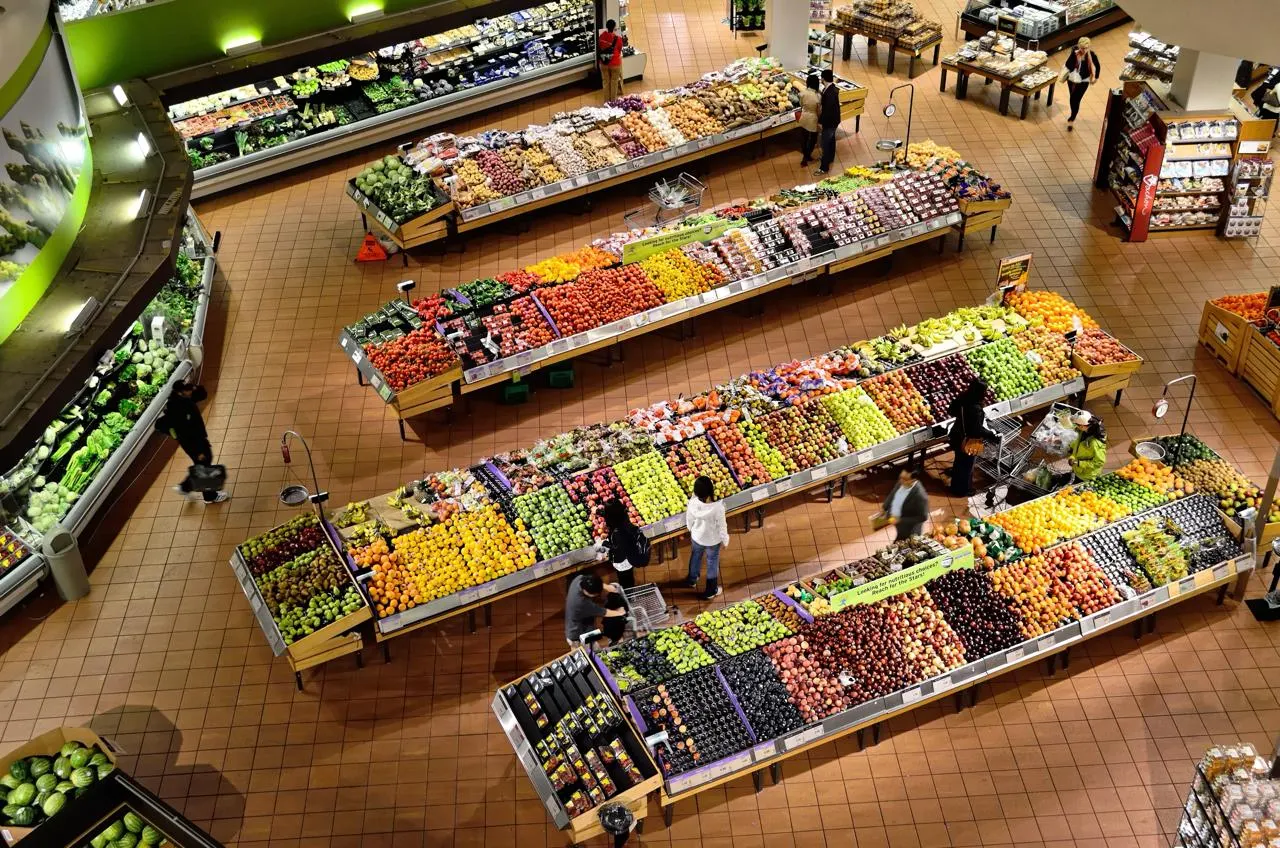
The guide to retail video analytics for loss prevention teams
Retailers have more store-floor video coverage than ever. The challenge is interpreting it. How video analytics turns existing CCTV into real-time, actionable intelligence.
Read time
10 min
Published on
Aug 21, 2026
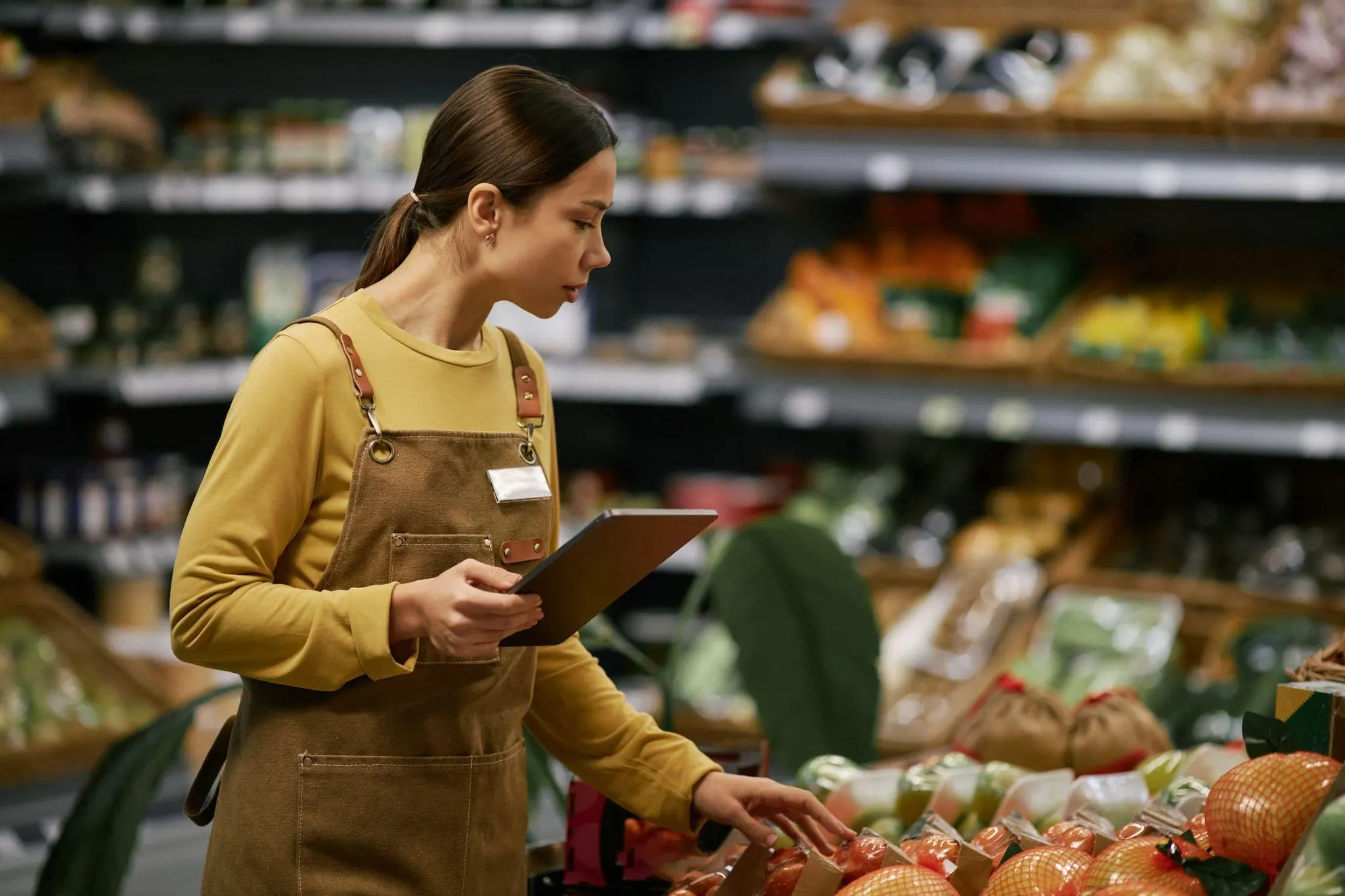
Retailers have more store-floor video coverage than ever. But the challenge is no longer just well-placed CCTV footage; it’s interpreting that data and extracting actionable intelligence from it.
This is where retail video analytics is truly useful. Beyond visual deterrence and after-the-fact review, it can help teams reduce shrink, optimise store performance, and free up floor staff for higher-value tasks.
This guide explores what that looks like operationally: how retail video analytics works, where it operates across the store, and where retailers typically see the most measurable impact.
How retail video analytics systems work
Retail video analytics applies artificial intelligence to live video feeds from existing in-store cameras and converts that footage into structured, actionable data in real time.
Here’s how the technology works:
- CCTV cameras capture activity across the store (at the checkout, on the shop floor, and in storage areas).
- That footage is processed in milliseconds by Vision AI, scanning for shrink patterns, checkout-based loss, and opportunities for optimisation. Detection works by comparing observed actions with known behavioural patterns. This is the most important layer, and the insights provided are only as accurate and reliable as the training data behind it.
- Depending on the results, insights may be turned to soft nudges at self-checkouts, staff notifications, or prompts for loss-prevention teams.
All this happens in real-time, seamlessly integrating with the store’s operations.
What problems does retail video analytics solve?
Retail shrink is one of the biggest problems operators today contend with. US retailers alone lost an estimated $90 billion to inventory shrink in 2025, according to the Appriss Benchmark Report. Retail video analytics can give LP teams the tools to act immediately when shrink patterns – items concealed in clothing, skip scanning at SCO, and more – emerge in the store.
CCTV footage has always captured points where loss concentrates, but without constant manual review, most of it goes unnoticed. The same applies to floor walks; team members can only cover so much ground.
That is the gap that retail video analytics addresses. By combining live video feeds with Vision AI, teams can process activity across the entire store continuously, identifying patterns that need to be investigated.
Retail video analytics is Vision AI in action
Retail video analytics depends on the AI models trained to interpret what cameras capture. The quality of those models, and the data behind them, determines the reliability of the insights teams receive.
Everseen's Vision AI platform powers this kind of detection at scale, learning from 15 million transactions every day across stores using the system. Each transaction adds to the patterns the system recognises, helping it identify loss behaviours in your store with greater accuracy.
This is the foundation of retail video analytics: a system that has processed enough real-world activity to tell the difference between normal shopper behaviour and loss patterns.
Where video analytics operates across the store
Depending on the AI system, retail video analytics can be deployed across the entire store to provide behavioural intelligence insights, prevent loss, and improve the shopping experience.
Let’s break down how it operates in different sections: what the system monitors and expected outcomes for teams.
At the checkout
During checkout at an SCO or cashier register, video analytics reviews CCTV footage in real time for loss patterns that would otherwise go unnoticed.
This includes genuine mistakes and deliberate fraud actions like the following:
- Missed or manipulated scan items at the SCO
- Barcode switching with those of cheaper items
- Unscanned items left inside or beneath baskets and carts
- Abandoned transactions where customers leave the POS before payment is complete
- Cashier behaviours consistent with sweethearting
Evercheck addresses these patterns directly, detecting over 30 unique loss and fraud patterns at checkout. When a potential issue is identified, shoppers receive a simple on-screen prompt to self-correct before the transaction completes, without requiring staff intervention.
On the shop floor
Video analytics monitors high-value aisles continuously for behaviour that is consistent with loss. One common and highly valuable use case is scanning for concealment, where a shopper hides a high-value item in an article of clothing to avoid payment.
The system scans video footage across the store in real time, checking thousands of ordinary interactions to filter and surface suspicious ones.
We built Evershelf for use cases like this. The system identifies loss patterns in the aisle as they happen rather than after the fact. This gives loss prevention teams real-time insights into shrink as it occurs.
At queues and bottlenecks
CCTVs already capture raw data on queue length, wait time, and lane utilisation. Integrating retail video analytics can open up another opportunity for efficiency here.
As queues form, staff receive immediate alerts, enabling a response before shoppers abandon their purchase. Findings from Adyen suggest that retailers lost $37.7B in 2018 due to long queues. Improvements in wait times here (even minor ones) can equal more completed transactions over time.
Evereagle monitors this activity continuously, helping teams anticipate pressure points and respond accordingly before the customer experience is affected.
How retail video analytics addresses common loss patterns
What to look for in a retail video analytics deployment
Not all retail video analytics systems perform equally in practice. These are the capabilities that separate deployments that deliver measurable results from those that don't.
Real-time processing
Batch processing (where video is analysed after the fact) has limited value for loss prevention. It’s a cut above manual CCTV review but still can’t help your team prevent shrinkage in real-time or optimise the customer’s experience while they are in the store. The system needs to identify and flag incidents while the transaction is still open and intervention is still possible. On-site processing offers the best defence for shrink.
Coverage across SCO and staffed lanes
Loss happens at both staffed lanes and self-checkout. A system that covers self-checkout only leaves a significant gap for sweethearting and scan avoidance at staffed lanes to still contribute to shrink.
Integration with existing infrastructure
Replacing cameras and POS hardware to accommodate a new system adds cost and complexity that interrupts operations. The strongest systems are hardware-agnostic, working with what retailers already have in place.
Scale and network effect
A system deployed across thousands of stores generates a different quality of data than one deployed across dozens. Behavioural models trained on larger, more diverse datasets detect more patterns more accurately and improve faster over time.
Conversational access to store data
Retail video analytics generates a significant volume of data. The best systems allow teams to query that data in plain language and ask natural questions about store performance. The simpler the interface, the more likely your teams are to use it, and the more shrinkage they can prevent.
See how retail video analytics can transform store operations
Video analytics doesn't change what happens in a store. But it changes what your teams know about it and how quickly they can act. Everseen helps retailers turn existing video infrastructure into real-time, actionable intelligence, without replacing hardware or disrupting store operations.
Book a demo to see it in action.